Customer asks:
Why does condensation form on the inside of windows?
Aru Grupp answers:
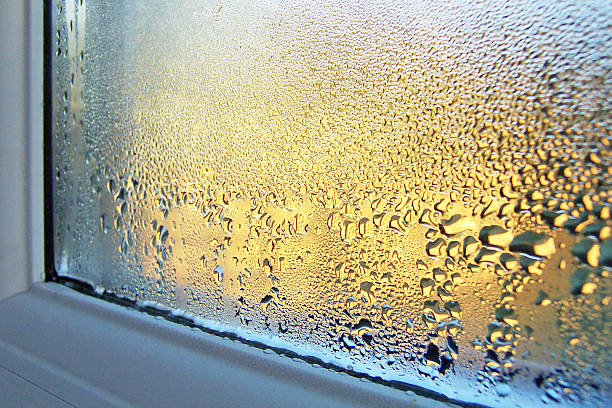
In winter or on cool mornings, the inside surface of windows may become foggy or wet. This phenomenon is known as window sweating or condensation. It does not mean that there is anything wrong with the window – rather, it indicates excessive indoor humidity and insufficient ventilation in the home.
Below we explain:
-
why windows sweat
-
which factors cause condensation
-
how to prevent it and keep your indoor climate balanced
Why do windows sweat and why does condensation occur?
Dew point and moisture condensation
Window condensation occurs when warm, humid indoor air comes into contact with a cold window surface. The air cools, reaches its dew point, and excess water vapour turns into droplets.
Higher humidity + cold glass = fast condensation
Example: At 21°C room temperature and 55% relative humidity → condensation forms on surfaces that are 10°C or colder.
Why does condensation form specifically on windows?
Windows are the coldest parts of a building. Condensation usually appears on the lower edge of the inner pane and then moves upward. Other cold surfaces (walls, ceilings) condense moisture later and often invisibly, until mould appears.
Main reasons:
-
Excess indoor humidity – washing, cooking, houseplants, human activity
-
Poor ventilation – too little fresh air, insufficient extraction
-
Low window surface temperature – old windows, thick curtains, blocked radiator heat
How to prevent window condensation?
Improve ventilation
-
Air rooms regularly (2–3 times a day for a few minutes)
-
Check the functionality of the ventilation system
-
Install window or wall vents if needed to bring in fresh air
Keep rooms warm enough
-
Warm air reduces the risk of reaching the dew point and lowers the likelihood of condensation
-
On colder days, it is important to maintain a stable indoor temperature
Increase the window surface temperature
-
Modern triple-glazed windows help prevent condensation
-
Do not block windows with deep windowsills or thick curtains
-
Ensure that warm air from the radiator can reach the window surface
Monitor humidity
-
Recommended relative humidity: 35–45%
-
Use a hygrometer to measure it
Dry the condensation
-
If fogging occurs, wipe the window surfaces regularly
-
This helps prevent mould and long-term moisture damage
See also:
Niiskus toas ja keldris | WindAir
By ordering Aru Grupp’s high-quality SlimLine windows, you have taken a step toward reducing the formation of internal window condensation.
Ask for an offer
Our experienced team is ready to bring your vision to life, whether it’s custom windows, doors, stairs or a house. We offer a professional approach to every project, ensuring a result that meets your exact needs.
To receive a quote, fill out the form and we will contact you!